
Ultimate Guide to The Red Sea Project: Luxury & Sustainability
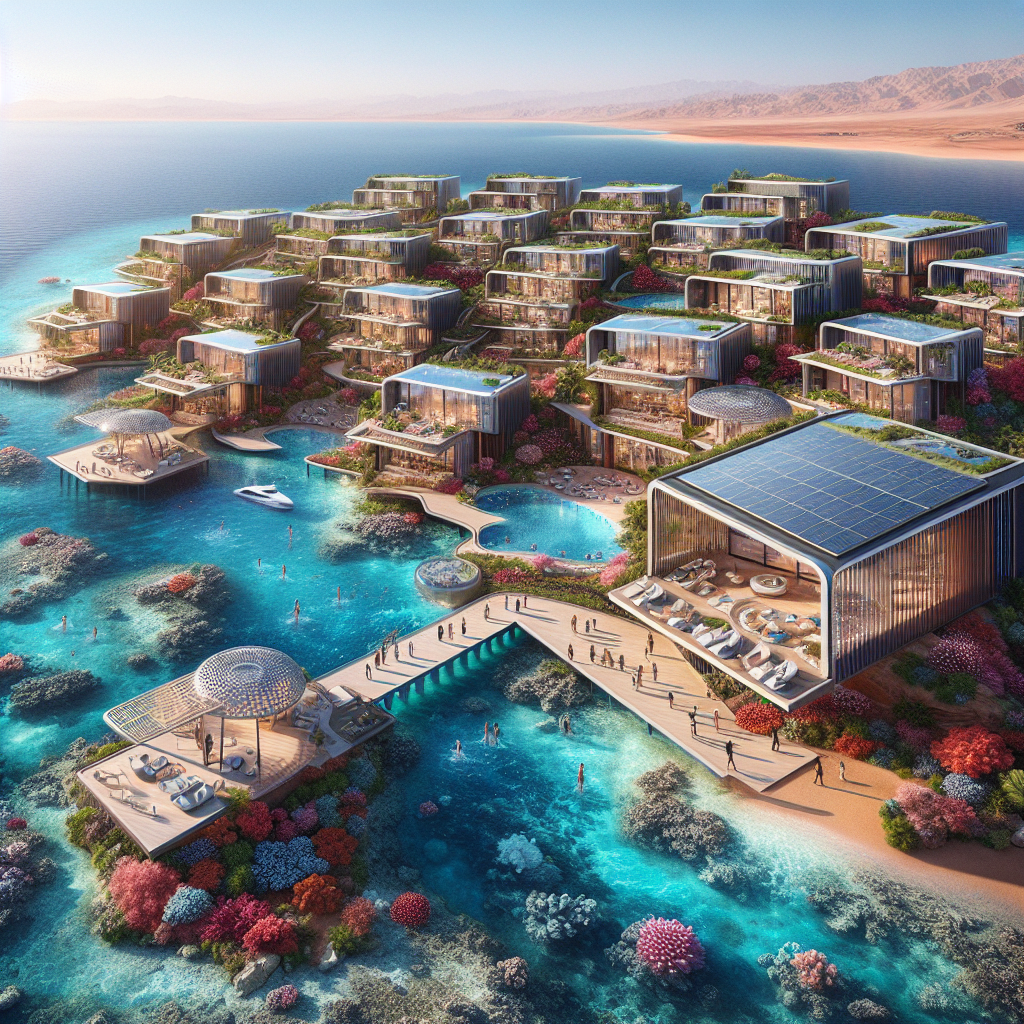
Imagine a pristine coastline where azure waters meet untouched sands, promising a tourism experience that redefines luxury through sustainability. Welcome to The Red Sea Project, Saudi Arabia’s visionary leap into pioneering luxury sustainable tourism. Set along the Red Sea’s idyllic shores, this ambitious venture aims to harmonize high-end travel with ecological stewardship. As you delve into this article, you’ll discover how The Red Sea Project integrates cutting-edge environmental practices with exquisite luxury, setting new benchmarks for global tourism destinations. Gain insights into how this development not only enhances travel experiences but also preserves the natural beauty for future generations to enjoy.
Overview of The Red Sea Project
Description of the Project’s Location and Scope
The Red Sea Project is an ambitious luxury tourism development located along Saudi Arabia’s pristine western coastline. It stretches across an extensive area of 28,000 square kilometers, encompassing more than 90 undeveloped islands. This location, characterized by its rich biodiversity and stunning landscapes, offers tourists an unparalleled opportunity to experience nature’s untouched beauty. The scope of the project is designed to be a world-leading tourism destination, combining luxury with a commitment to environmental sustainability.
Timeline and Key Milestones of the Development
Initiated in 2017, The Red Sea Project marks a significant milestone in Saudi Arabia’s Vision 2030, with a phased development approach. The first phase, set for completion in 2023, includes the construction of hotels, luxury villas, and critical infrastructure, such as an international airport. By 2030, the project aims to offer 50 resorts, residential properties, and other leisure and entertainment facilities. Each milestone reflects a dedication to creating a destination that harmonizes luxury travel with the preservation of natural and cultural resources.
Sustainable Development Goals
Environmental Sustainability and Conservation Efforts
The Red Sea Project is committed to advancing environmental sustainability through a variety of conservation efforts. One of its primary goals is to achieve a net-zero carbon footprint, utilizing renewable energy sources and advanced technology to minimize environmental impact. The project prioritizes the preservation of natural habitats and stresses the importance of maintaining biodiversity. Through initiatives such as minimal waste production, water conservation, and sustainable construction practices, The Red Sea Project aims to set a new standard in eco-friendly development.
Initiatives to Protect Marine Life and Local Ecosystems
Protecting the delicate marine ecosystems and local wildlife is central to The Red Sea Project. Special attention is given to safeguarding coral reefs and marine biodiversity, ensuring they thrive alongside the development. Measures include the creation of marine protected areas, conducting thorough environmental assessments, and ongoing monitoring to minimize human interference. The project also focuses on educating tourists and staff about responsible interactions with the environment, fostering a culture of sustainability and respect for nature.
Luxury Tourism Amenities
Overview of Luxury Accommodations and Services Planned
The Red Sea Project is set to redefine luxury tourism by offering an unparalleled experience through its state-of-the-art accommodations. Featuring over 50 resorts, the project is expected to include more than 8,000 hotel rooms, as well as luxury residential properties. Visitors can anticipate world-class service, combined with an array of extraordinary amenities, including private beaches, exclusive island retreats, and personalized concierge services. Each venue is designed to offer both comfort and privacy, catering to the needs of discerning travelers seeking exclusive and unique experiences.
Integration of Sustainable Practices in Luxury Offerings
In a bold move to harmonize opulence with environmental responsibility, The Red Sea Project is embedding sustainable practices into its luxury services. The development emphasizes renewable energy as a primary power source, minimizing carbon footprints without compromising on luxury standards. Solar farms, wind turbines, and emerging technologies will play a pivotal role in sustaining the project’s eco-friendly objectives. Additionally, cutting-edge waste management systems and locally sourced materials not only promote sustainability but also enrich guest experiences with authentic regional influences. These initiatives ensure that indulgence is achieved not at the expense of the environment, but in a cooperative effort to preserve it for future generations.
Economic and Social Impact
Job Creation and Economic Benefits for Local Communities
The Red Sea Project is set to significantly boost the local economy by creating approximately 70,000 jobs during its development and operational phases. The project emphasizes employing local talent, thereby enhancing economic stability and prosperity within nearby communities. The influx of tourists is expected to drive demand for local goods and services, supporting small businesses and creating a ripple effect of economic growth.
Social Development Initiatives
A focus on community enrichment is central to The Red Sea Project’s mission, with initiatives dedicated to enhancing the well-being of residents. Educational programs and training sessions aim to equip the local workforce with skills relevant to the burgeoning tourism and hospitality sectors. Additionally, efforts to preserve and celebrate local culture and traditions seek to foster a sense of community pride and engagement, ensuring that economic progress aligns with social development.
Challenges and Solutions
Identification of Major Challenges in Sustainable Tourism Development
The Red Sea Project faces several challenges in executing sustainable tourism initiatives while maintaining luxury standards. Key challenges include balancing tourism growth with conservation efforts, ensuring minimal environmental impact, and managing resource constraints in a largely remote setting. Additionally, establishing infrastructure that aligns with sustainability goals presents logistical hurdles.
Strategies and Solutions Implemented to Overcome These Challenges
To mitigate these challenges, The Red Sea Project has adopted innovative strategies and solutions:
- Advanced Technology Integration: Utilizing renewable energy sources like solar and wind to power amenities and facilities, thereby reducing carbon footprints.
- Strict Environmental Regulations: Implementing stringent policies to control waste management and water usage, safeguarding the pristine natural environment.
- Community Engagement: Collaborating with local communities to garner insights and foster support for conservation initiatives, ensuring sustainable practices are culturally and socially aligned.
- Research and Innovation: Partnering with environmental experts and investing in cutting-edge technologies to continually improve sustainability measures while maintaining luxury travel experiences.
Through these strategies, The Red Sea Project aims to lead the way in demonstrating that luxury tourism can coexist harmoniously with ecological preservation.
Partnership and Global Influence
Key Partnerships and Collaborations
The Red Sea Project has strategically aligned with prominent global sustainability leaders to enhance its environmental initiatives. Partnerships with organizations like the World Wide Fund for Nature (WWF) and International Union for Conservation of Nature (IUCN) ensure the project adheres to best practices in marine conservation and biodiversity management. Collaborative efforts with renowned architectural firms known for eco-friendly designs further bolster its sustainability goals.
The Role of The Red Sea Project in Setting a Precedent
The Project stands as a beacon of innovation in sustainable tourism, influencing international tourism projects to adopt eco-friendly practices. Its commitment to preserving natural habitats while offering luxurious amenities serves as a model that demonstrates how luxury tourism can coexist with environmental stewardship. The Red Sea Project is paving the way for future developments worldwide, showcasing a balanced approach to economic growth and ecological responsibility.
Conclusion
The Red Sea Project stands as a significant beacon in the evolution of sustainable tourism, demonstrating that luxury and environmental responsibility can coexist harmoniously. This groundbreaking development in Saudi Arabia is not only raising the bar for future tourism projects worldwide but also drives home the potential impacts on eco-conscious travel. As the project unfolds, its emphasis on protecting biodiversity while offering unparalleled luxury experiences promises a transformative impact on both the industry and the global perception of sustainable travel. Looking to the future, The Red Sea Project is poised to redefine how destinations balance opulence with ecological stewardship, serving as a model for others to emulate.
In conclusion, “The Red Sea Project” stands as a visionary blueprint for blending luxury tourism with sustainable development. With a focus on preserving the natural beauty of Saudi Arabia’s Red Sea coast, this pioneering initiative aims to balance indulgence with environmental stewardship. By integrating luxury accommodations with eco-friendly practices, The Red Sea Project not only sets new standards for sustainable tourism but also promises substantial economic and social benefits for local communities. The project’s global partnerships further highlight its role as a trailblazer in sustainable tourism, setting the stage for similar international initiatives. As the project unfolds, its impact on both tourism and environmental conservation is expected to be profound, paving the way for a future where luxury and sustainability coexist harmoniously.
Ready to explore more about innovative sustainable tourism projects? Subscribe to our newsletter for the latest updates and insights. Have thoughts or questions about The Red Sea Project? We’d love to hear from you—share your perspectives in the comments below! For related content on sustainable tourism practices, don’t miss our additional resources and articles. 🌊🌿
Similar Posts