
Vision 2030’s Impact on Saudi Arabia’s Economy and Society
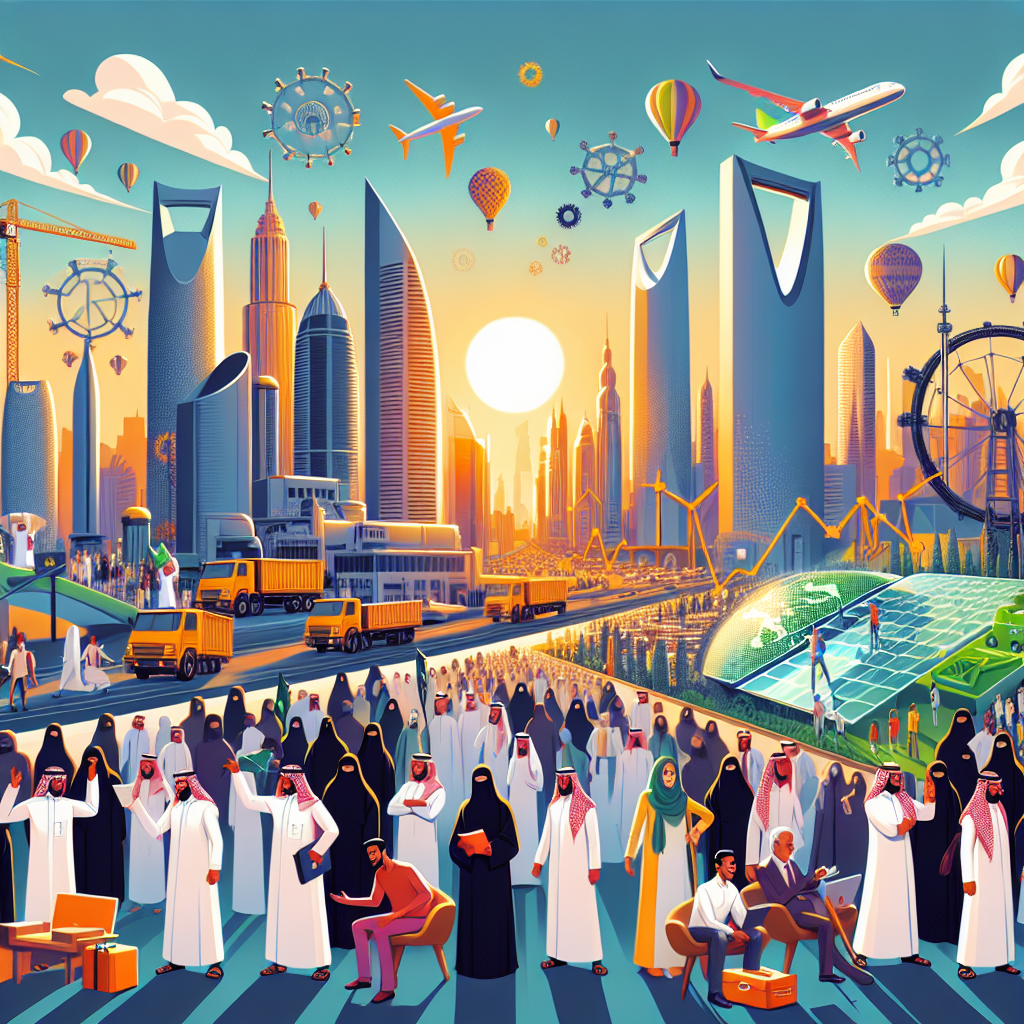
When you think of Saudi Arabia, oil might be the first thing that comes to mind. But what if I told you that by 2030, the Kingdom aims to redefine its economic and social landscape entirely through a strategic initiative known as Vision 2030? This ambitious plan seeks to transform Saudi Arabia from an oil-dependent nation into a diversified, thriving economy with a more open and inclusive society. In this article, we delve into the key components of Vision 2030, exploring its significant role in fostering economic diversification, social reforms, infrastructure development, and global partnerships. Join us as we examine how these changes set the stage for a revolutionary decade ahead.
Economic Diversification
Moving Away from Oil Dependency
Saudi Arabia’s Vision 2030 places a strong emphasis on reducing the nation’s heavy reliance on oil. By diversifying its economy, the country aims to ensure long-term financial stability and resilience against fluctuating oil prices. This strategic shift is pivotal as it not only safeguards the kingdom’s future economic security but also encourages sustainable development.
Development of New Industries
To achieve economic diversification, Saudi Arabia is investing heavily in burgeoning industries like tourism, entertainment, and technology. The kingdom has set ambitious goals to transform these sectors, thereby creating a vibrant, multifaceted economy. Tourism is being revitalized through initiatives such as the Saudi Seasons, while the entertainment sector embraces contemporary events and attractions. In parallel, the technology sector sees rapid advancement with the establishment of innovation hubs and tech incubators.
Investment in Small and Medium-sized Enterprises (SMEs)
Recognizing the critical role of SMEs in bolstering economic growth, Vision 2030 advocates significant investments in these enterprises. Saudi Arabia aims to increase SME contributions to the GDP, facilitating a more diverse and robust economy. This includes offering financial support and incentives, which empower entrepreneurs and stimulate job creation, thus shaping a dynamic economic landscape that is less oil-dependent.
Social Reforms
Expanding Women’s Rights and Opportunities
Saudi Arabia’s Vision 2030 recognizes the critical role of women in society and aims to significantly expand their rights and opportunities. Legislative changes have been introduced to promote gender equality, allowing women to drive and granting them more freedom in career choices. These reforms aim to increase female participation in the workforce from 22% to 30%, aligning with the vision’s goals for a diversified economy.
Improvement in Education and Health Sectors
Enhancements in education and health are pivotal to Vision 2030. The initiative focuses on revising educational curricula to meet international standards, fostering critical thinking and innovation among students. In healthcare, Vision 2030 emphasizes improving service quality and accessibility, with the aim of elevating the overall standard of living and ensuring a healthier society.
Cultural Shifts Towards a More Open Society
Vision 2030 encourages a cultural transformation towards openness and tolerance, diversifying cultural offerings and promoting artistic expression. Efforts are underway to host more public entertainment events, catalyzing a shift towards a vibrant cultural landscape. These changes are not only enriching society but also attracting tourists and contributing to economic diversification.
Infrastructure Development
Major Projects like NEOM and the Red Sea Project
Saudi Arabia’s Vision 2030 initiative places emphasis on transformative infrastructure projects such as NEOM and the Red Sea Project. These ambitious undertakings aim to establish new economic cities that leverage advanced technologies and sustainable practices. NEOM, a $500 billion mega-city project, is being designed as a hub for innovation, incorporating green technologies and futuristic urban planning. Similarly, the Red Sea Project aims to boost tourism through luxurious and eco-friendly resort developments, promoting the kingdom as a global travel destination.
Enhancements in Transportation Infrastructure
Investment in transportation infrastructure is crucial to achieving Vision 2030’s goals. The Saudi government is actively enhancing transportation networks to connect major urban centers and facilitate economic activities. This includes the expansion of existing airports, construction of new rail lines, and the development of high-speed trains. By improving connectivity, Saudi Arabia aims to support the growth of various sectors, including tourism and trade, while enhancing domestic mobility.
Smart City Initiatives and Technological Integration
Vision 2030 encourages the proliferation of smart city initiatives throughout the kingdom. These initiatives focus on integrating advanced technologies into urban environments, improving the quality of life for residents while promoting sustainability. Initiatives include the installation of smart grids, adaptive traffic systems, and efficient waste management solutions. By embracing technological integration, Saudi Arabia plans to foster innovative urban ecosystems that support economic growth and societal well-being.
Energy and Sustainability
Commitments to Renewable Energy Sources
Saudi Arabia’s Vision 2030 emphasizes a significant transition towards renewable energy. The initiative includes extensive investments in solar and wind energy projects, aiming to reduce the nation’s reliance on fossil fuels. These efforts contribute to global sustainability goals and position the kingdom as a leader in renewable energy adoption in the Middle East.
Initiatives to Reduce Carbon Footprint
In alignment with global environmental standards, Vision 2030 implements various measures to minimize the carbon footprint. The initiative includes carbon capture and storage technologies, enhancing efficiency in energy production and consumption. These efforts are crucial in combating climate change and promoting environmental responsibility.
Water Conservation and Resource Management Strategies
Recognizing the importance of sustainable resource management, Saudi Arabia is implementing innovative water conservation techniques. Vision 2030 outlines strategies for recycling and desalination to ensure long-term water availability. These methods are designed to address the challenges of arid climates while supporting the kingdom’s growing population and economic activities.
Global Partnerships and Investments
Strengthening International Economic Ties and Partnerships
Saudi Arabia is actively forging stronger international economic ties as part of Vision 2030. By opening its markets to global investors, the kingdom aims to diversify its economy and advance its standing as a key player on the world stage. Various agreements and partnerships with countries across Europe, Asia, and the Americas are being pursued to facilitate mutual economic growth and development.
The Rise of Foreign Investments within the Kingdom
Foreign investments have seen significant growth due to the strategic reforms implemented under Vision 2030. These reforms have made Saudi Arabia an attractive destination for investors, offering incentives and relaxed policies to encourage investment in emerging sectors such as technology, real estate, and renewable energy.
Participation in Global Economic Forums and Initiatives
With a vision to assert its position as a hub of economic activity, Saudi Arabia is actively participating in global economic forums. By contributing to international initiatives and discussions, the kingdom not only enhances its diplomatic and economic relationships but also aligns its transformation objectives with global economic trends and goals, ensuring sustainable and inclusive growth.
Challenges and Criticisms
Addressing Potential Social and Economic Challenges
Saudi Arabia’s Vision 2030 faces several challenges, including adapting to rapid societal changes and managing economic fluctuations. As the country diversifies its economy, it must ensure stability and smooth transitions across various sectors. Addressing the skill gap through tailored education and training programs is crucial for developing a workforce equipped for new industries.
Criticisms from International Entities and How They Are Being Managed
Despite its ambitious goals, Vision 2030 has been met with criticism from international observers regarding human rights concerns and transparency. The Saudi government is actively engaging in dialogue and establishing regulations to improve its global image. Initiatives to enhance legal frameworks and promote human rights are underway to address these criticisms.
Strategies to Overcome Economic Fluctuations and Social Resistance
Economic diversification aims to mitigate the risks associated with oil price volatility, but it requires careful planning and adaptation. Strategies include fostering a business-friendly environment for SMEs, encouraging foreign investments, and implementing fiscal policies to create economic resilience. Additionally, managing social resistance involves promoting inclusivity and setting policies that ensure all societal groups benefit from Vision 2030’s objectives.
Conclusion
In concluding, Vision 2030 stands as a pivotal framework for transformative change in Saudi Arabia’s economy and society. By aiming to diversify the economy beyond oil, the Kingdom is setting the foundation for sustainable growth and innovation. The strategic focus on empowering women, advancing education, and embracing societal openness marks a significant shift towards a modernized nation. Infrastructure advancements, coupled with a firm commitment to sustainability and renewable energy, highlight the forward-thinking approach of the initiative.
Looking to the future, Vision 2030 holds the potential to reshape Saudi Arabia into a global economic powerhouse. The successful execution of its ambitious goals could position the nation as a leader in various industries, from tourism to technology, and strengthen its role on the international stage.
For continued success, maintaining active engagement with the Vision 2030 goals is essential. This involves not only pursuing economic and social objectives but also addressing any emerging challenges head-on. By learning from ongoing experiences and adapting strategies as necessary, Saudi Arabia can ensure that Vision 2030 propels the nation toward a prosperous and sustainable future.
Vision 2030 stands as a pivotal blueprint for the transformation of Saudi Arabia, steering the nation toward a future less reliant on oil and more diversified in economic ventures. From fostering industries like tourism, technology, and entertainment, to bolstering the SME sector, the plan lays a robust foundation for sustainable economic growth. With strides in social reforms enhancing women’s rights and elevating the standards in education and health, there is a significant cultural shift towards inclusivity and openness. Infrastructure projects, such as NEOM and the Red Sea Project, coupled with increased urban innovation, paint a picture of a futuristic Saudi Arabia. Efforts in renewable energy and sustainability highlight a commitment to preserving natural resources and reducing the carbon footprint, all while global partnerships expand economic horizons and invite foreign investments.
Yet, the path is not devoid of challenges. Addressing social resistance and economic critiques requires strategic handling to ensure momentum is not hampered. As Saudi Arabia continues to navigate these waters, the potential outcomes of these sweeping transformations seem promising, aiming for an inclusive and thriving society by 2030.
It’s a moment for you to stay informed and engaged with the ongoing developments of Vision 2030. What are your thoughts on these changes? Share your views in the comments below! Stay tuned for more insightful articles by subscribing to our newsletter, and dive into more transformative stories about the impact of global economic shifts. 🕌🌍
Similar Posts