
Essential Traditional Saudi Arabian Dishes for Beginners
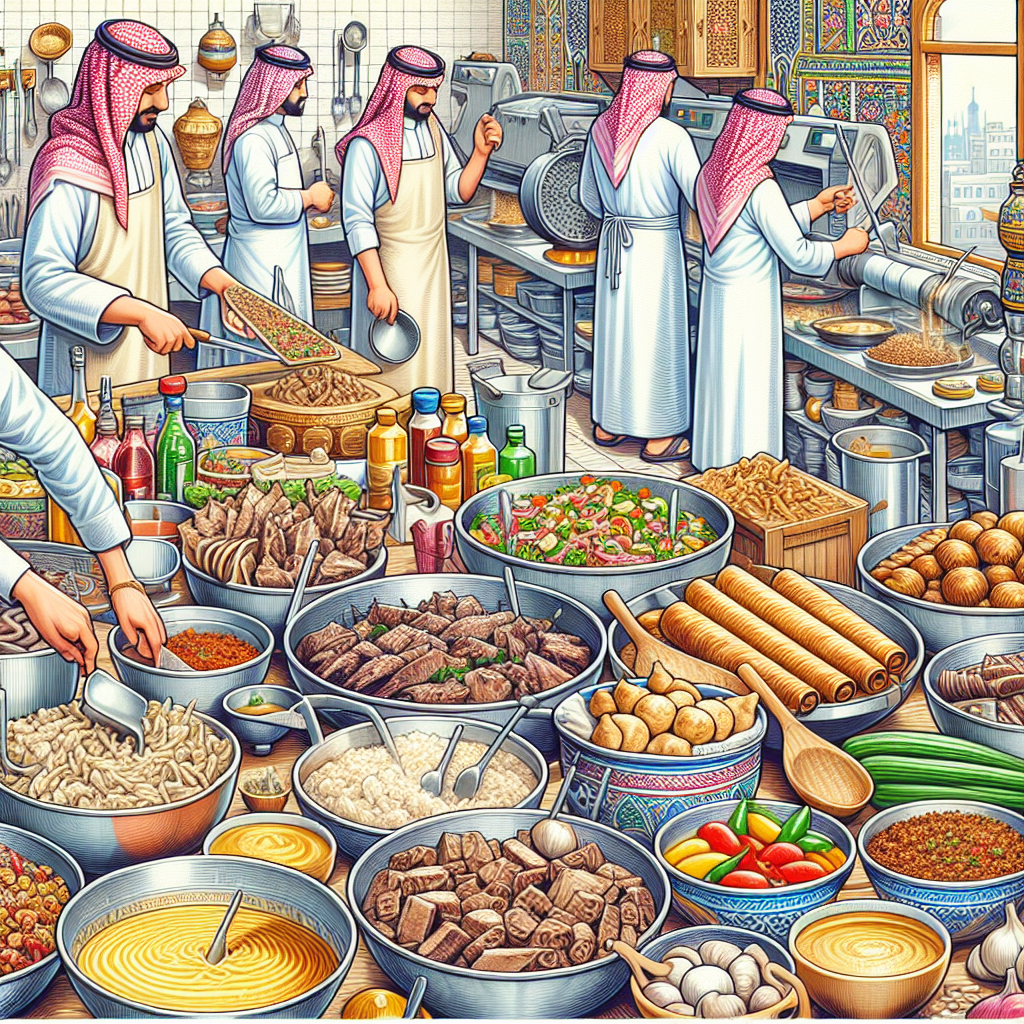
Imagine a land where the aroma of cardamom and saffron weaves through bustling markets, and each dish tells a story of ancient traditions and rich heritage—welcome to the culinary landscape of Saudi Arabia. This article embarks on a journey through the kingdom’s diverse flavors, exploring traditional dishes that have been cherished for generations. Dive into the heart of Saudi cuisine as we unravel the secrets behind its essential flavors, delve into its fascinating food history, and discover what makes these culinary traditions so special. Ready your palate for an unforgettable exploration of Saudi Arabia’s gastronomic treasures!
Traditional Saudi Arabian Dishes
Popular Traditional Dishes
Saudi Arabia’s culinary scene is a reflection of its vibrant culture and heritage, with dishes like Kabsa and Jareesh standing out as quintessential elements of the nation’s cuisine. Kabsa, a fragrant rice dish often cooked with meat and an aromatic blend of spices, is central to celebratory feasts and family gatherings. Jareesh, a porridge-like dish made from crushed wheat, is another beloved staple that exemplifies the nation’s love for hearty, wholesome meals.
Cultural Significance of Staple Foods
These traditional dishes are more than just meals; they are an intrinsic part of social and festive occasions. Kabsa, for instance, is not only a culinary delight but also a manifestation of hospitality and togetherness, often served during weddings, Eid, and other religious celebrations. Likewise, Jareesh is cherished for its comfort and nourishment, reflecting the deep-rooted values of simplicity and satisfaction.
Regional Variations and Local Customs
Saudi Arabia’s diverse regions contribute unique twists to these traditional staples, enriching the country’s culinary tapestry. In the coastal areas, you’ll find seafood-infused versions of Kabsa, highlighting the sea’s bounty, while the central regions might feature more lamb-based preparations. These regional variations underscore the adaptability of Saudi cuisine to local customs and resources, illustrating a dynamic interplay between tradition and locality.
Essential Flavors and Ingredients
Saudi Arabia’s culinary essence is deeply rooted in its signature flavors, brought to life by an array of spices and herbs that define this rich cuisine. Core spices such as cardamom, saffron, and cinnamon play a pivotal role in Saudi culinary traditions, infusing dishes with their aromatic presence and distinct taste. The warm, soothing scent of cardamom is often found in coffee and desserts, whereas saffron lends its vibrant hue and subtle essence to rice dishes.
Traditional preparation techniques are integral to enhancing these flavors. Slow cooking and marinating are commonly employed to ensure that spices are absorbed thoroughly, enriching both the fragrance and taste of the dish. These methods allow the flavors to develop fully, creating a harmonious blend that is both deep and invigorating.
Core ingredients such as rice, dates, and yogurt are staples in Saudi kitchens. Rice, particularly the long-grain variety, is a foundation for many dishes, acting as a canvas for the flavorful spices. Dates, celebrated for their nutritional value, are not only enjoyed on their own but also find their way into a variety of dishes, providing a natural sweetness that complements the savory elements. Meanwhile, yogurt is often used as a marinade and a cooling agent in numerous recipes, balancing spices and enhancing the overall dish.
Notable Traditional Foods and Their Origins
Harees
Harees is a beloved dish across the Arabian Peninsula, known for its comforting texture and hearty ingredients. This dish traces its origins back to ancient times when it was a staple during the fasting month of Ramadan. Traditionally, Harees is prepared by boiling wheat with meat, often seasoned with cinnamon and cardamom, until it becomes a smooth porridge-like consistency. It is typically served hot, topped with ghee and occasionally garnished with fried onions.
Majboos
Majboos, also spelled Kabsa in some regions, is a cherished rice dish that embodies the essence of Saudi Arabian hospitality. Its roots lie in the culinary traditions of the Arabian Gulf, where it evolved as a festive dish symbolizing abundance and celebration. It is crafted by cooking basmati rice with a robust combination of spices like saffron, black lime, and cumin, alongside slow-cooked chicken or lamb. The dish is often finished with a sprinkle of slivered almonds and raisins for a touch of sweetness.
Saleeg
Originating from the region of Hijaz, Saleeg is a creamy rice dish that bears resemblance to Italian risotto. It is a reflection of the diverse influences that have shaped Saudi culinary practices over centuries. Traditionally, Saleeg is made with short-grain rice cooked in a broth of chicken or lamb and milk, yielding a rich, velvety texture. Finished with a pat of butter, it is typically served on large platters shared among family and friends.
Murtabak
With roots that epitomize the cultural exchange within the Arabian Peninsula, Murtabak is a stuffed pancake or flatbread, often filled with a savory mixture of spiced minced meat and onions. Originally thought to have been introduced through Indian traders, Murtabak has found its place within the tapestry of Saudi street food. It is fried to a perfect golden brown and served hot, offering a crispy exterior that contrasts beautifully with its flavorful interior.
Famous and Popular Foods in Saudi Arabia
Shawarma and Falafel: Widely Loved Treats
Shawarma and Falafel are among the most celebrated foods in Saudi Arabia, prized for their rich flavors and quick preparation. Shawarma, made from thinly sliced meats grilled on a vertical rotisserie, is a Middle Eastern favorite. Its tender, juicy fillings are often complemented by a tangy tahini sauce. Falafel, made from ground chickpeas or fava beans, is crispy on the outside and soft on the inside, typically enjoyed in pita bread with fresh vegetables.
Popular Street Foods and Festival Dishes
Saudi Arabia’s bustling streets offer a variety of aromatic street foods, such as Samboosa, a savory pastry filled with spiced meat or vegetables, and Mutabbaq, a stuffed pancake filled with savory or sweet ingredients. These bite-sized delights are staples during Ramadan and Eid, where they hold significant cultural importance in celebratory feasts.
Role in Daily Life and Special Occasions
In everyday life, these foods offer a convenient yet flavorful meal option for busy urban dwellers. On special occasions, traditional Saudi cuisine takes center stage as a symbol of hospitality and bonding. From intimate family gatherings to communal festival celebrations, food plays a pivotal role in Saudi society, reflecting deep-rooted cultural traditions.
Commonly Consumed Meats in Saudi Cuisine
The Prominence of Lamb and Chicken
In Saudi Arabian cuisine, lamb and chicken hold a special place, frequently featuring at the heart of many traditional dishes. These meats are not only preferred for their flavor but also for their versatility in various recipes, reflecting the dietary preferences of the region.
Typical Seasoning and Cooking Methods
Meats in Saudi dishes are typically seasoned with a blend of aromatic spices, including cumin, coriander, and black lime. The use of marinades infused with olive oil, garlic, and vinegar is common, enhancing the flavor profile of the meat. Cooking techniques such as grilling, braising, and slow-cooking in traditional vats or skewered over open fires are widely used, allowing the spices to deeply penetrate the meat.
Meat-Centric Dishes: Tharid and Kebabs
-
Tharid: This traditional dish combines stewed meat, often lamb or chicken, with vegetables served over thin, crispy bread. Tharid is not only a staple during regular meals but also holds religious significance, commonly enjoyed during Ramadan.
-
Kebabs: Skewered meats, marinated with a unique blend of spices, are grilled to perfection. Kebabs are a popular choice for both everyday meals and festive occasions, celebrated for their succulent texture and rich flavor.
By celebrating the essential role of lamb and chicken in Saudi cuisine, these dishes offer a glimpse into the country’s gastronomic traditions, where the skillful use of spices and cooking techniques elevates each meal to an experience of flavorful delight.
Saudi Arabian Food History and Evolution
Historical Influences on Saudi Cuisine
Saudi Arabian cuisine is a delectable tapestry woven from diverse historical influences. Rooted in Bedouin traditions, the culinary landscape has been shaped by Persian and Ottoman flavors, introducing a variety of spices and cooking techniques. This blend has birthed a unique gastronomic identity that remains evident in today’s Saudi kitchen.
Impact of Modern Trends and Globalization
In recent years, Saudi cuisine has evolved under the influence of globalization. While traditional dishes remain beloved staples, modern trends have introduced international cuisines and fusion flavors to everyday meals. Restaurants and home cooks alike experiment with contemporary interpretations, balancing heritage with innovation to fit changing palates.
Preserving Tradition and Embracing Innovation
Amidst these changes, there is a concerted effort to preserve the rich traditional recipes that define Saudi culinary identity. Chefs and culinary enthusiasts are dedicated to keeping the essence of time-honored dishes alive while integrating contemporary elements. This delicate balance ensures that Saudi Arabian cuisine continues to evolve while honoring its deep-rooted past.
Conclusion
The rich tapestry of Saudi Arabian cuisine offers a fascinating journey into a world of diverse flavors and cultural heritage. From the fragrant aromas of spices to the hearty embrace of traditional dishes like Kabsa and Harees, the culinary landscape is as vibrant as it is inviting. Mealtime in Saudi Arabia goes beyond mere sustenance; it is an integral cultural practice that binds families and communities together, embodying the spirit of hospitality and wealth of tradition.
Embracing both time-honored recipes and modern twists, Saudi cuisine strikes a delicate balance between preservation and innovation. Whether you’re drawn to the bold spices or the convivial experience of shared meals, there’s an abundance to explore and enjoy. We invite you to delve into the culinary traditions of Saudi Arabia, perhaps by creating your own version of a traditional dish at home, and immerse yourself in the rich flavors and stories that have been passed down through generations.
In conclusion, the rich culinary traditions of Saudi Arabia offer an exciting tapestry of flavors, history, and cultural significance that is both diverse and profound. From the well-loved Kabsa to the aromatic spices like saffron and cardamom, each element of Saudi cuisine tells a story of heritage and tradition. The depth of traditional dishes such as Harees and the popularity of street foods like Shawarma illustrate the vibrant, communal nature of food in Saudi culture. Meanwhile, the historical influences that have shaped this cuisine continue to blend traditions with modern innovations, creating a dynamic culinary landscape.
As we’ve delved into the meats, flavors, and history that define Saudi cuisine, it’s clear that meals are more than just food—they are central to social life and cultural identity. Why not experience the essence of Saudi Arabia by trying to recreate some of these traditional dishes in your own kitchen? Share your culinary adventures in the comments below! 🍽️ For more on global gastronomy, explore our related articles and don’t forget to subscribe to our newsletter for exciting recipes and food stories. 🌍✍️
qyhshi
Someone essentially help to make seriously posts I would state. This is the very first time I frequented your website page and thus far? I amazed with the research you made to create this particular publish extraordinary. Magnificent job!