
Saudi Arabian ports
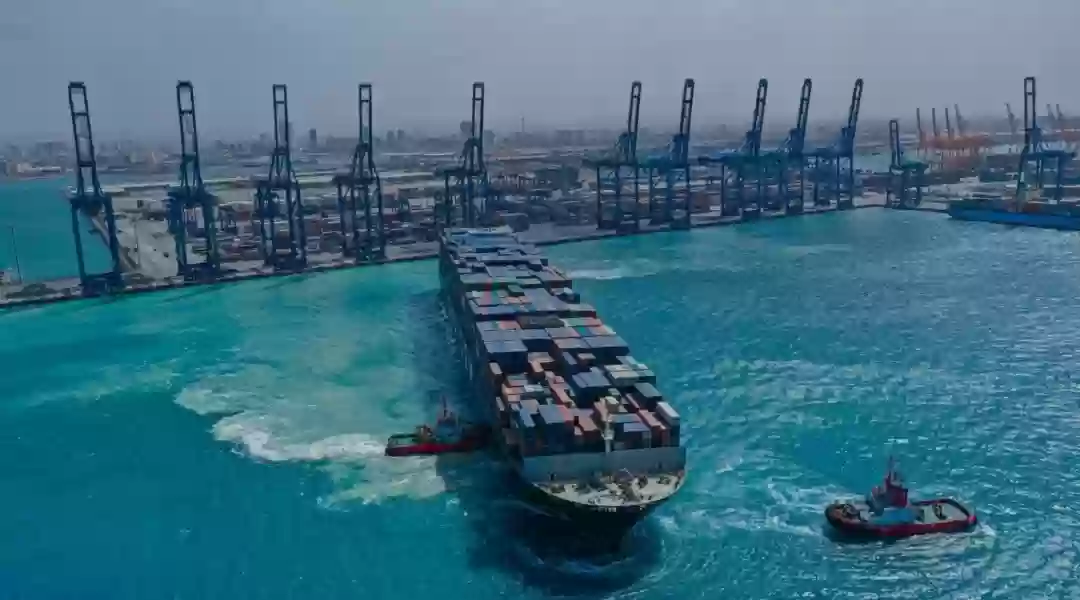
Saudi Arabian ports are a global destination for maritime navigation...
The Kingdom of Saudi Arabia is located at a prominent maritime point, as it overlooks the Red Sea and the Arabian Gulf, both of which are key destinations for global maritime navigation. The Kingdom holds a distinguished position in the region and the world as one of the largest maritime transport hubs, contributing significantly to the national economy and opening doors for international trade exchange. Therefore, the Kingdom is constantly striving to develop its ports and open new ones to serve the economic sector more broadly.
Saudi Arabian ports
Saudi Arabia is distinguished by a number of vital ports that serve international trade, with maritime shipping lines being the main artery for transporting goods between the Kingdom and the world. Some of the most important ports include:
Jeddah Islamic Port (Jeddah Commercial Port): It is the oldest Saudi port, established during the reign of the Rashid Caliphate under Uthman ibn Affan in 646 AD. It was the first port for maritime trade on the Red Sea coast and currently receives 75% of the imports through Saudi ports. Located on the Red Sea, it serves as a major gateway for goods coming from the Middle East and Africa to the world and is one of the busiest ports in the region in terms of container traffic.
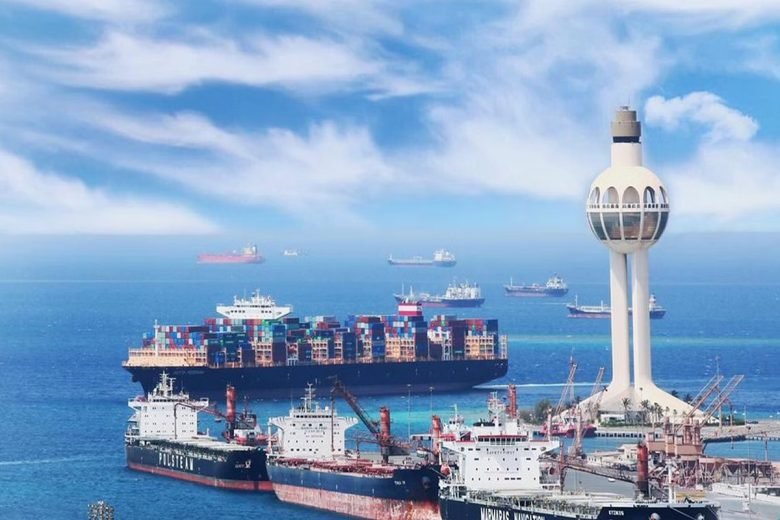
King Abdullah Port (Rabigh Port): Located in the city of Rabigh on the Red Sea, this port was established to improve maritime trade and promote economic growth. King Abdullah Port is equipped with modern facilities and serves general trade and large shipments.

Dammam Port (King Abdulaziz Port): Located on the Arabian Gulf coast, it is the primary port for transporting goods to the Eastern Province and Riyadh region. It is connected by railway to the dry port in Riyadh. Dammam Port is particularly important in the transport of oil and gas and serves as a vital point for commercial transport in the Arabian Gulf.
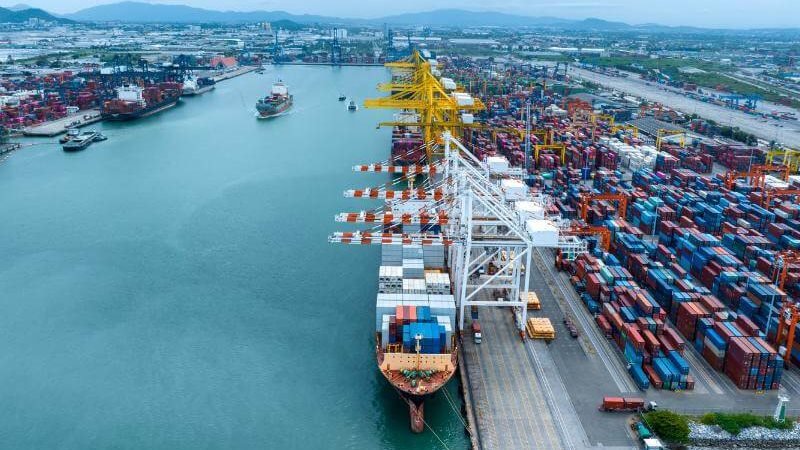
Jubail Commercial Port: The “supporting port” enhances the trade movement at King Abdulaziz Port in Dammam. Its strategic location helps reduce the cost of imported and exported goods. It also includes a warehouse for hazardous materials and handles chemical, industrial, and petrochemical shipments. It is one of the most important ports in providing raw materials for local and global industries.
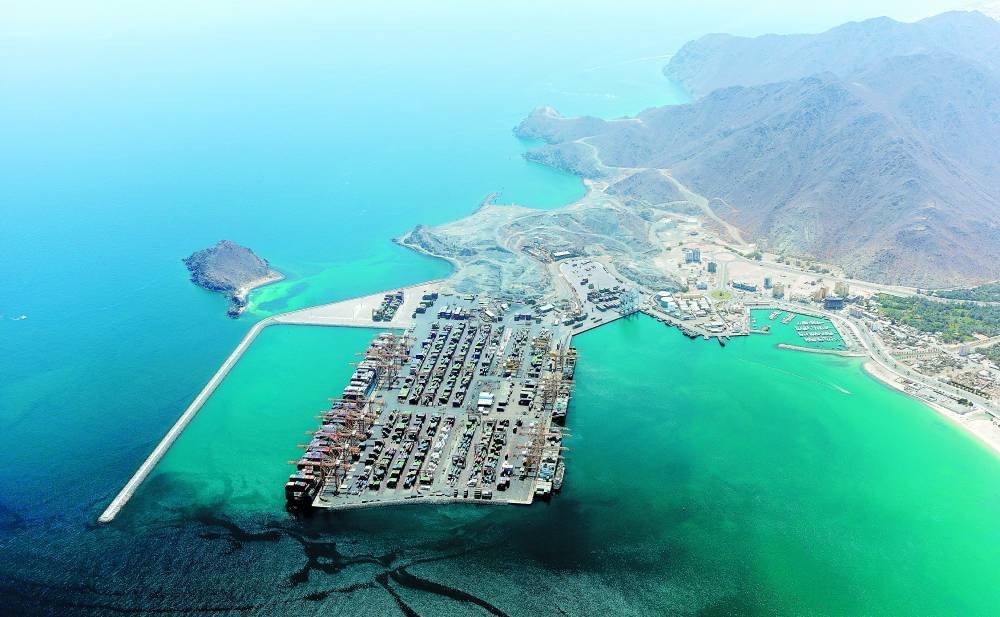
Yanbu Commercial Port: Located on the Red Sea, it is renowned as a key hub for maritime shipping and the transport of petroleum and industrial products. The port is particularly famous for exporting petroleum products extracted from oil fields in the region. It is the second major gateway for receiving pilgrims after Jeddah Islamic Port and was inaugurated during the reign of King Faisal in 1965.
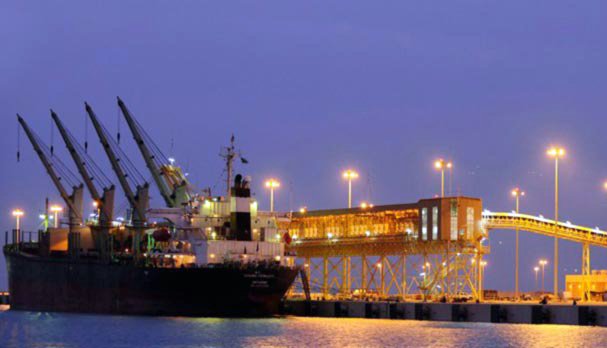
Jazan Port: The third largest port in Saudi Arabia in terms of design capacity, it is the largest port for receiving livestock from the Horn of Africa. It was inaugurated in 1976.
Duba Port: Located near the Suez Canal and Mediterranean ports, it opened in 1994.
The Importance of Maritime Navigation in Saudi Arabia
Maritime navigation is one of the essential pillars of the Kingdom’s economy for the following reasons:
International Trade: Saudi ports are central points facilitating trade between the Kingdom and other countries worldwide. As global trade volume increases, Saudi Arabia relies heavily on maritime navigation for the import and export of goods.
Oil and Gas: Saudi Arabia is a major contributor to the export of oil and gas to numerous countries, and these shipments pass through Saudi ports. Therefore, the maritime navigation sector is vital for the oil industry.
Connecting Continents: The Saudi coastline stretches along the Red Sea and the Arabian Gulf, offering a maritime transportation network that connects Saudi Arabia to Asia, Africa, and Europe. Many international shipping routes pass through Saudi territorial waters, especially via the Bab el-Mandeb Strait and the Suez Canal.
Investment in Maritime Infrastructure: The Saudi government continuously works on developing and improving port infrastructure through massive projects that include upgrading facilities and equipment to speed up cargo handling, enhancing logistics services, and increasing ports’ capacity to handle growing trade volumes.
Jobs and Local Economy: Ports create thousands of job opportunities in various fields related to maritime industries such as transport, storage, and distribution. They also contribute to the national economy by increasing revenues through customs duties and transit fees.
Future Development of Maritime Navigation
Saudi Arabia aims to enhance and develop the maritime navigation sector through Vision 2030, which focuses on improving port infrastructure and increasing operational efficiency. These projects include the establishment of new container terminals, upgrading existing ports, and expanding the capacity of ports. Additionally, efforts are being made to improve digitization in the maritime sector and apply artificial intelligence technologies to enhance efficiency.

interesting